
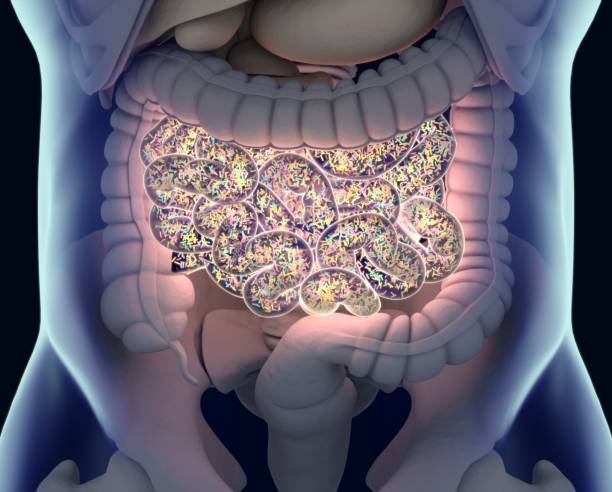
I wrote many articles regarding this topic, but the same questions keep following me. Mainly, “Isn’t it dangerous having prolonged diarrhea because the microbial equilibrium will be disturbed”? Of course, I am constantly being lectured about the importance of gut flora for our health.
I do not want to keep repeating what I have stated a million times over. Instead, I will focus on teaching you to think using this subject as a tool. If you are new at this site, you can read about microflora here
Isn’t it a bit strange, knowing the “health benefits” of the gut flora, to constantly be reminded to wash our hands thoroughly after a bathroom visit?
Or losing your mind when flies land on the food on your plate, as, “They might have been on someone’s excrement before.”
Every boat has to have a holding tank so as not to dump excrement into the water unless it is treated with toxic chemicals and the bacteria killed.
Did you ever stop and think? The excrement is full of “toxic bacteria” we have to protect ourselves from, we are told, but as long as they are in our gut, they are our lifesavers. Doesn’t this seem a bit confusing to you? It seems to me that a more appropriate action would be not to wash our hands after a toilet visit, rather than wasting the bacteria by washing them into the drain.
We have been turned into mindless robots that only obey what they have been told. Our indoctrination makes sure we follow instructions and do not ask questions. This programming follows us throughout our lives because in every movie, advertisement, and “professional” suggestion, those same things are repeated, keeping us on track.
Do you know that there are many mammals that eat their excrement? And guess what type of mammals have this habit? All of them are plant eaters, and in captivity, we can see this in some omnivores like dogs.
So, let me explain what is going on.
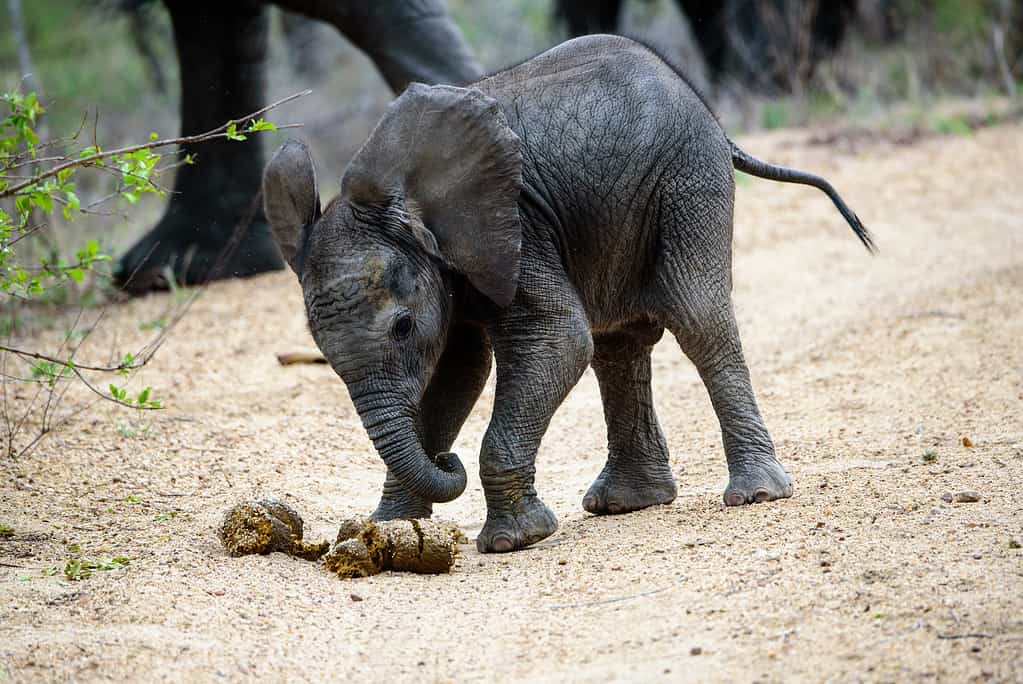
One example of this is young elephants. They are often seen to eat their mum’s poop. Disconnected soyentists think they do this to populate their gut with the “good” bacteria they find in the poop of their mothers. This is not true since they have simple stomachs similar to horses and gorillas. The intestinal flora will be formed regarding their diet, but when they eat their mum’s poop, there are bacteria there that will be digested and give the baby elephant more nutrition and energy. In combination with mother’s milk, a baby elephant has a more acidic stomach because of its diet and benefits more from the bacteria in the poop than from the plants that are found there.
Rabbits eat their poop for a similar reason. Being herbivores with a simple stomach, they have to eat constantly and often, but they do not produce enough energy from the food they eat, and if there is no time to ferment it, by eating their poop, they gain more nourishment than from the vegetables they eat. Their poop becomes the supplementary diet they depend on.
Maybe there is something vegans can learn from them when looking for supplements, because their diet is inadequate.
Capibaras in the Amazon do exactly the same. They supplement their vegetarian diet by eating their own poop.
Hamsters do it as well, and so do many other types of plant-eating mammals with simple stomachs.
For you not to say that with me you can only talk about shit, I will explain the difference in digestive processes of herbivores with a simple stomach, and of those with the fermentation bag.
Ruminant herbivores are those with a fermentation bag. Those are cattle, bison, goat, sheep, deer, antelopes… Those animals first ferment the plants in a separate fermentation bag called the rumen. After those plants have been fermented, the animals regurgitate them into their mouth, chew them a second time, and after being swallowed, the content is directed into the regular stomach, where the bacteria and their fats will be digested, providing nutrition to the animal. Ruminants are much more efficient with energy production and do not need to supplement other than salt since plants are low in minerals. This is why they do not have to eat their poop.
The herbivores with simple stomachs usually have a large stomach where the plants remain a bit longer than if the stomach would have been small. This gives it more time for the fermentation process and enough bacteria are produced to provide energy, but if the animal was active and did not have time for digestion, it finds it necessary to eat its excrement because the fermentation process continues as long as the content is inside the intestine. Since the absorption of nutrients occurs in the upper part of the small intestines, there will be more bacteria found in the excrement than what was available in the stomach content.
Some simple stomach herbivores also eat small animals and insects, and vegetables are an extra. This is the case with many types of monkeys. Horses prefer to graze areas saturated with grasshoppers, from whom they receive a lot of fat and protein.
When feeding dogs commercial dog foods, the dogs are fed carbs and are missing fats and proteins. They also love to roll in stench, and human feces attracts them because it is rich with nutrients and stinks. Since people eat plants and have small and acidic stomachs, they cannot ferment enough to gain energy from the bacteria. This is why the process of fermentation blossoms in the gut, especially in the colon. This fermentation produces gas, but also nutritious bacteria. The problem is that those bacteria have to be digested to become nourishing. This is why the poop of humans who eat vegetables is nutritious and provides much more energy than the plants people eat.

As I have mentioned earlier, if vegans want to be healthy, they have to eat their poop, the same as other mammals with a simple stomach that are herbivores.
I’d rather stick to my carnivore diet. It smells better.
Love and light to us all